
Perception & navigation
Autonomy
We give our robots the ability to see, localize, make decisions, and move through the competition field.
Inside the stack
Autonomy in action
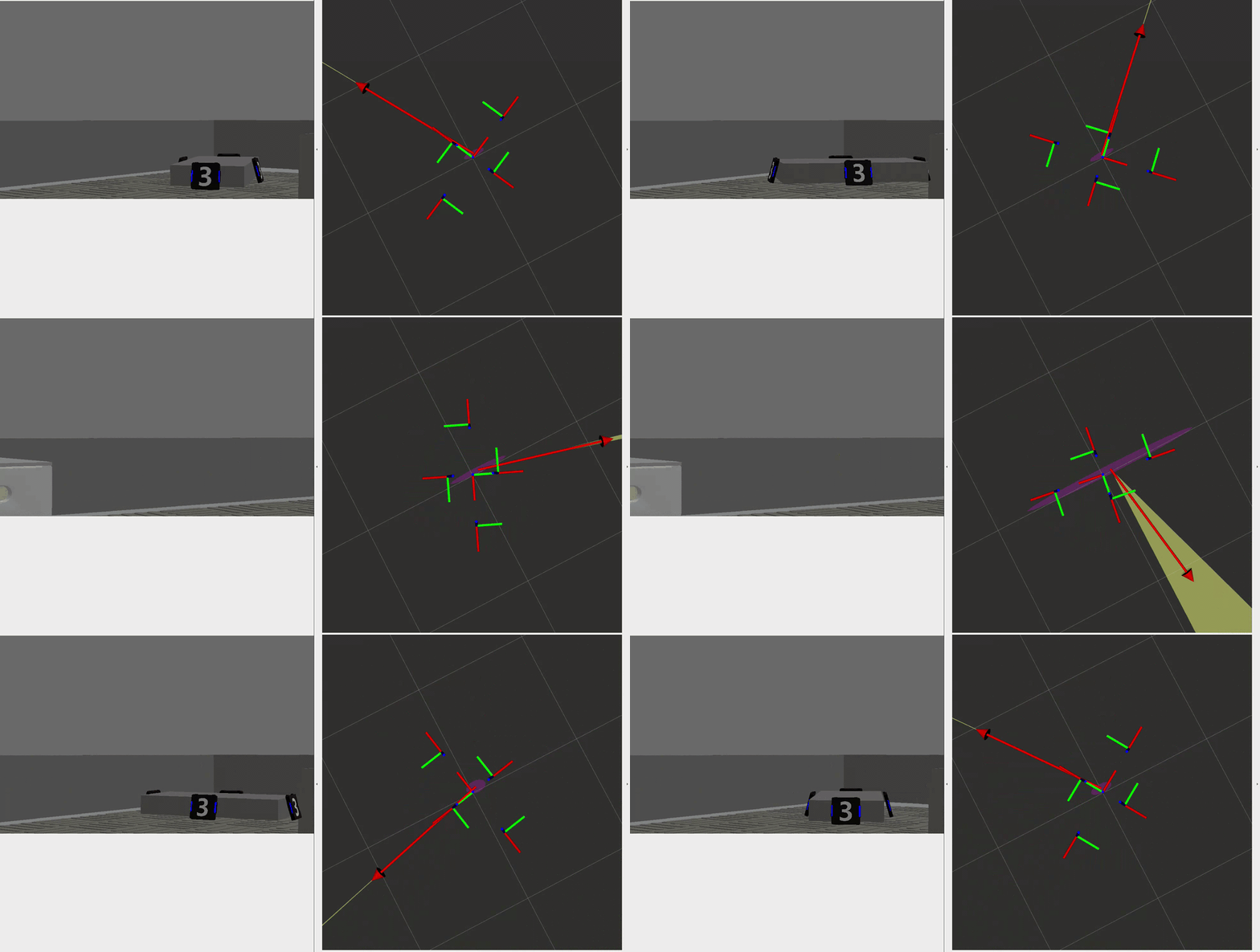
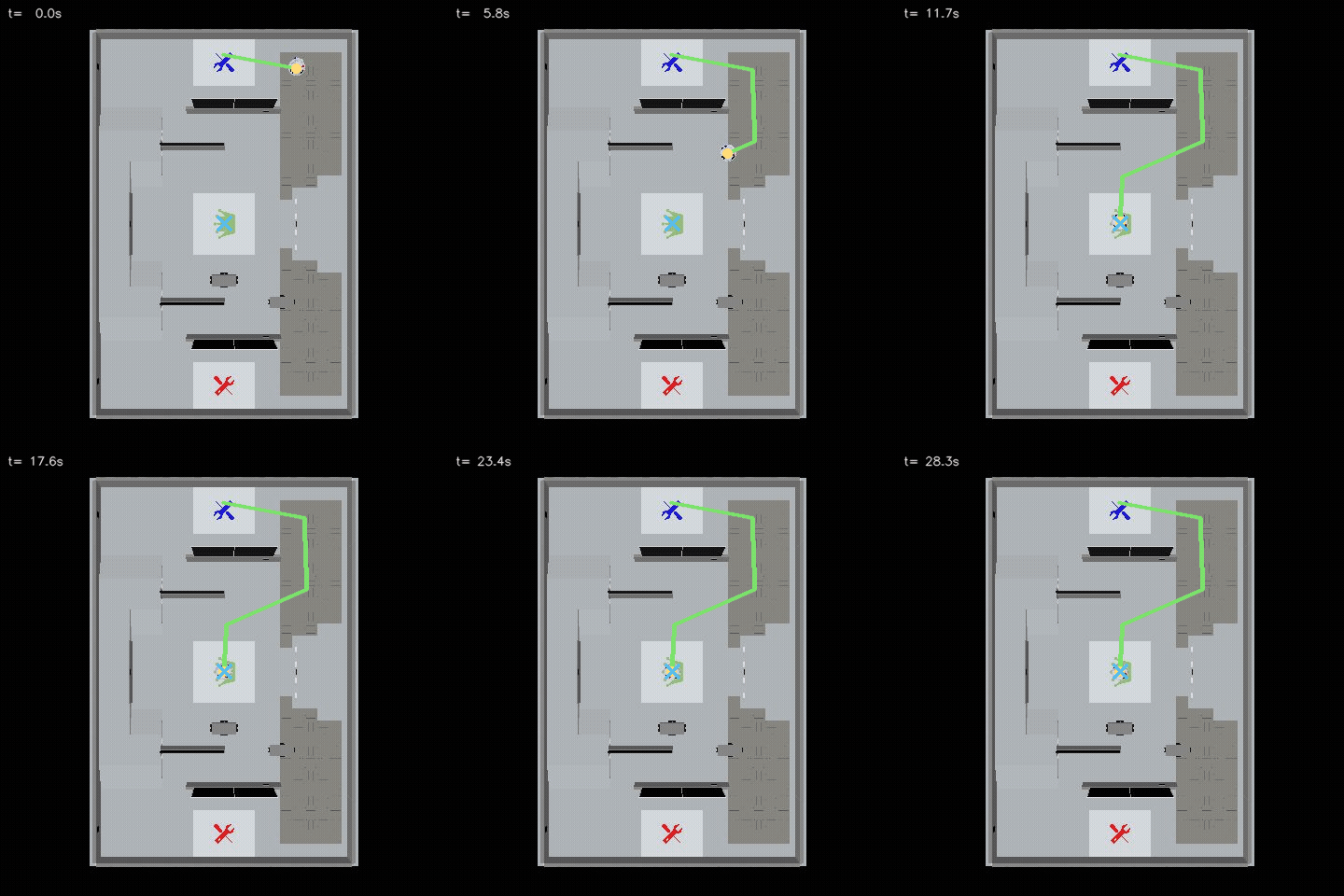
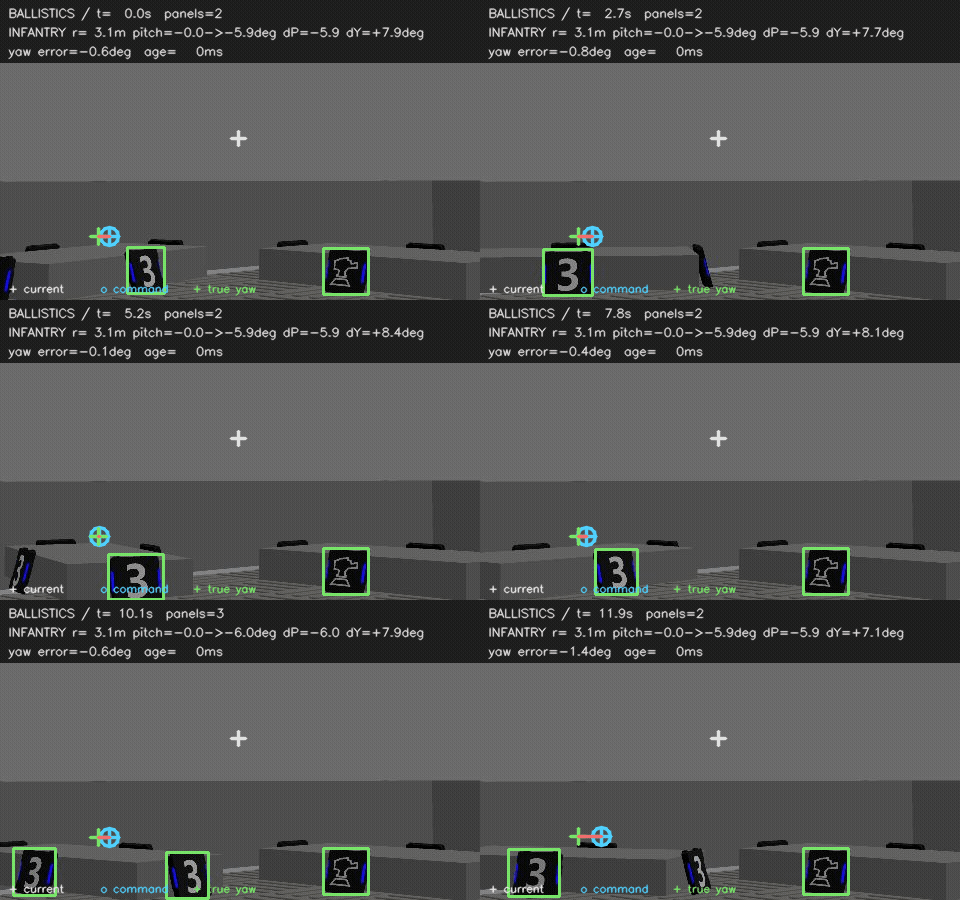
Our simulation environment lets us test perception, navigation, and targeting together before deploying changes to a physical robot.
Autonomy focuses on developing autonomous movement and controls for our robots. This work brings together machine learning, object detection, ballistics, communication protocols, and state management.
Our machine learning division focuses on armor-plate detection using deep neural networks designed for speed and accuracy. We are also developing and labeling a custom dataset to train these models.
We use ROS2 and OpenCV to support communication between sub-nodes and the main robot control board. We also implement custom functions in OpenCV and the camera SDK to give our computer-vision software greater flexibility during image preprocessing.
We primarily program in C++, with occasional use of Python. Our goal is to contribute to autonomous robotics by building complete systems from the ground up.